TPO single-ply
A thermoplastic membrane with heat-welded seams. Attachment, insulation and detailing are specified for the building.
TPO roofing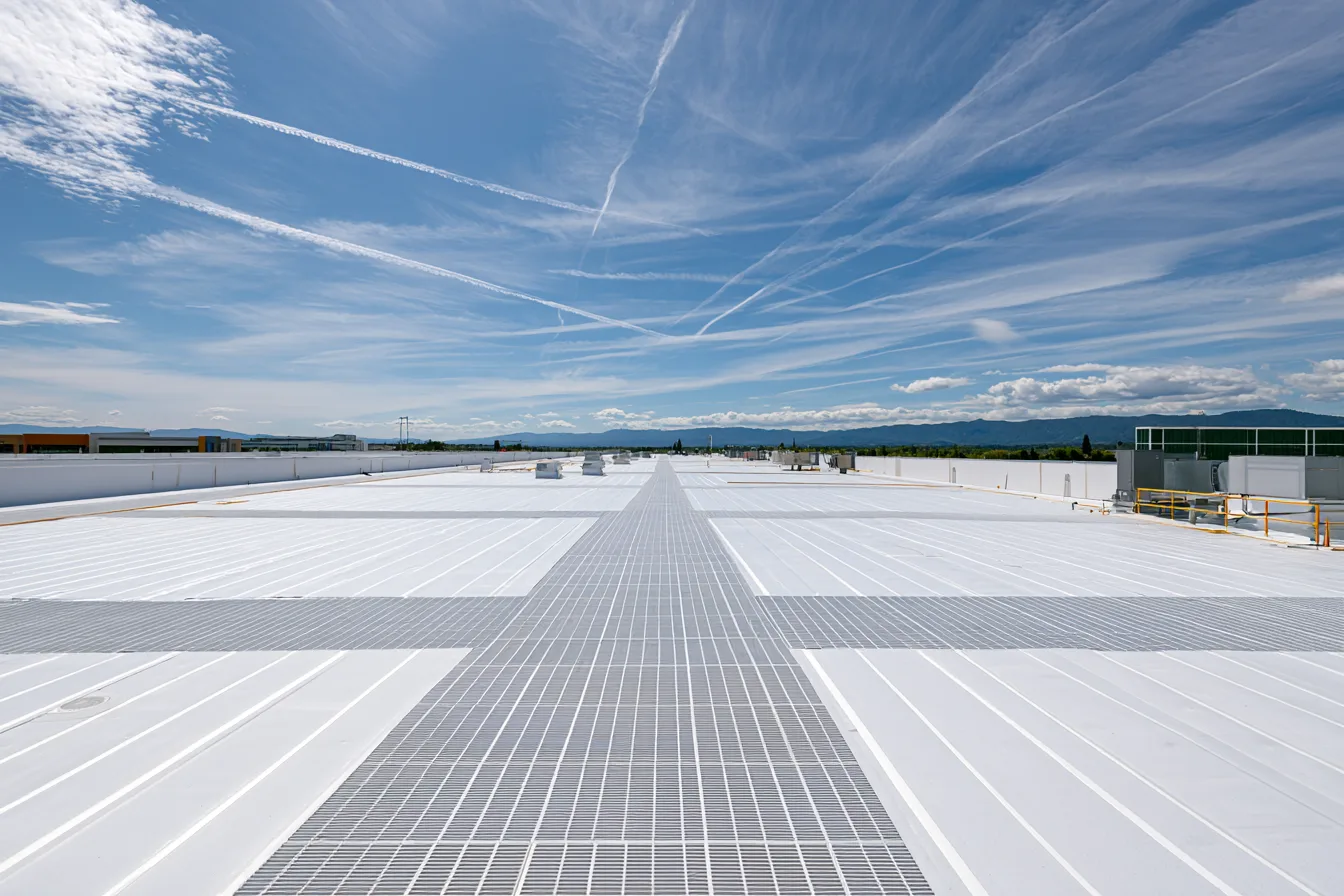
Norman, OK
Commercial roofing starts with the building: its occupants, equipment, drainage and existing roof. Our roofers assess the condition and explain repair, restoration or replacement options for your scope and budget.
How the decision splits
What a commercial roofing job in Norman, OK needs is set by what happens inside the building and not by how many squares it measures. A distribution warehouse with a wide open deck, a clinic that cannot lose a ceiling over an exam room, a restaurant venting kitchen grease onto its own membrane, and a strip center with a different tenant behind every door all take different roofs at identical square footage.
The existing assembly matters as much as the membrane you can see. Wet insulation, deck condition and attachment affect which options are workable. The roofer determines what investigation is needed and discusses any survey or test openings before that work proceeds.
Most of what is described below sits on a low-slope or flat roof, and not every job is a replacement: where the deck is sound and the failure is local, flat roof repair is the smaller answer and it is worth asking for by name.
Use before size. A clinic and a warehouse of equal area take different assemblies.
Cores and a moisture survey decide coating, recover or tear-off.
Deck condition sets the attachment method, and attachment drives the bid.
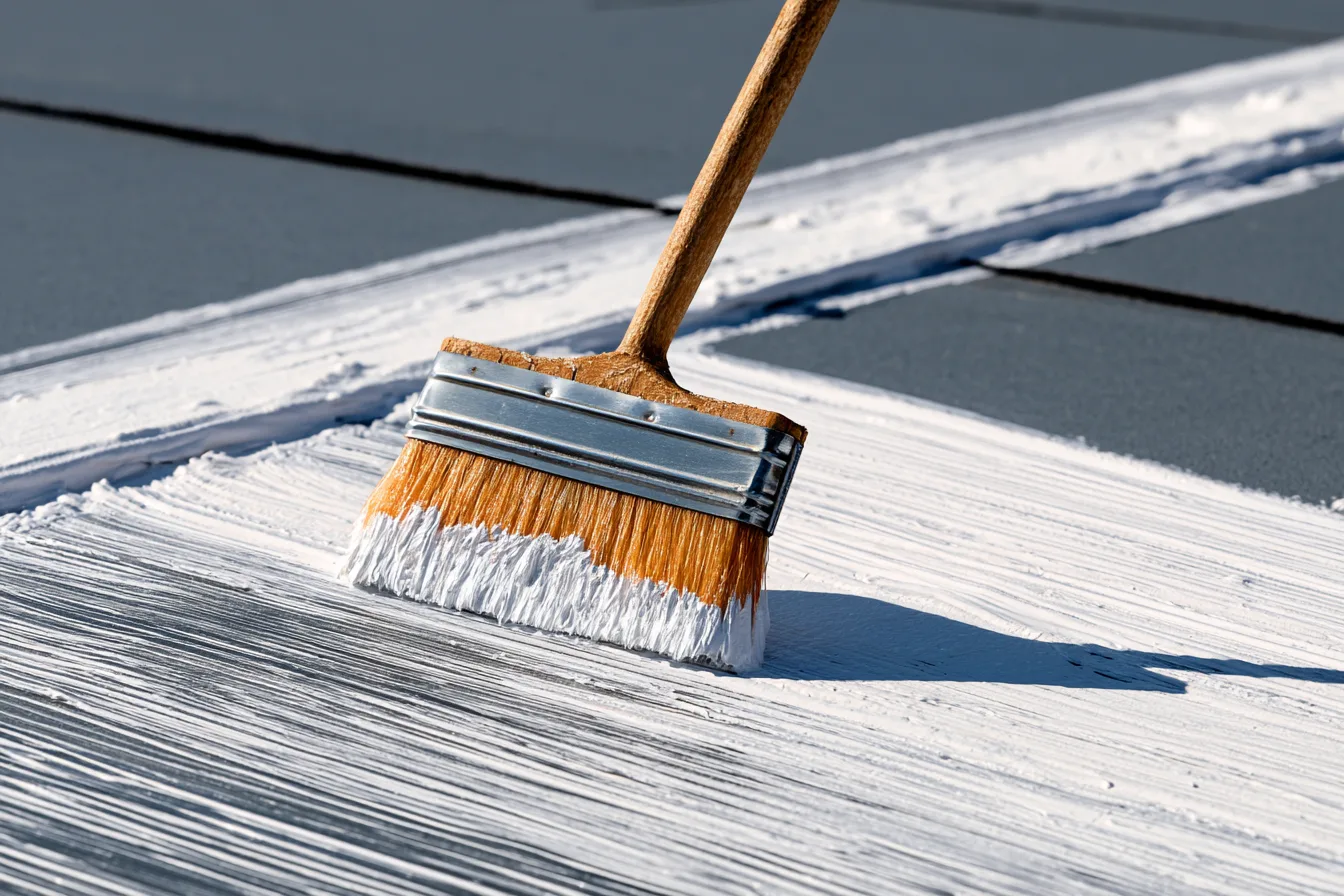
These systems answer different conditions. The roof’s use, substrate, exposure and installation requirements determine the options.
A thermoplastic membrane with heat-welded seams. Attachment, insulation and detailing are specified for the building.
TPO roofingAnother heat-welded membrane, with product-specific chemical-resistance characteristics worth reviewing around exhausts.
A rubber membrane with bonded or taped seam details. It has its own attachment and flashing requirements.
A reinforced asphalt-based assembly available with different application methods. Occupancy and substrate affect the selection.
A layered asphaltic assembly. An existing built-up roof needs assessment before repair, recover or replacement is chosen.
A compatible coating system can renew a suitable existing roof after repairs and preparation. It does not correct wet insulation or a failed deck.
Roof coatingsA commercial roof replacement is priced as an assembly, and bids that skip a layer are not cheaper, only vaguer. Line items below are what a complete bid should name, in the order the roof gets built. Where the membrane specified is TPO, the same list applies with that system's own seam and attachment detailing.
Ask each bidder to itemize the same six. Comparing bids gets simple the moment they describe the same roof.
Existing layers come off down to the structural deck. Rusted steel flutes, rotted wood or spalled concrete get repaired or replaced before anything else goes down. A bid that does not say what happens if bad deck is found leaves the biggest variable open.
Board type, thickness and the target R-value belong in writing. Tapered packages are engineered to move water toward the drains, so a building with ponding gets a slope drawing rather than a promise.
Where specified, a compatible cover board provides a firmer layer beneath the membrane and can improve the assembly’s resistance to damage. Compare the actual system requirements rather than assuming it is interchangeable.
Membrane thickness plus the attachment method, mechanically fastened, fully adhered or ballasted. Attachment is an engineering decision driven by wind uplift and deck type, and it changes the number more than the membrane brand does.
Perimeter edge metal, parapet and curb flashings, counterflashing and termination bars. Most low-slope leaks start at a detail more often than in the open field, so a bid that details the edges is one worth reading.
Curbs, pipes, vents and other openings need compatible flashing. Primary drainage and the required overflow provisions should be considered together for the building.
Six line items, one page. A bid that names all six can be compared to another bid that names all six, and anything missing from the list is a question worth asking before signature.
Credentials to verify
Oklahoma requires a commercial roofing endorsement. Check the business name and current record with the Construction Industries Board before choosing the contractor.
Confirm the company named on the proposal has the required commercial status.
Request current evidence of insurance appropriate to the project and discuss any building-specific requirements.
An enhanced manufacturer program can require approved installers, components, inspection and registration. Confirm the actual offer.
Work areas, hours, access, temporary protection and closeout should be clear before the start.
You can ask while preparing a future budget. The roofer can assess current condition and discuss options, with any further survey or specification work agreed separately. An inspection does not guarantee how long the existing roof will last.
Occupancy is a constraint that shapes the whole job instead of a detail handled at the end. Tear-off noise carries into the suite below, odor from hot work travels through rooftop intakes, and staging eats parking spaces tenants use. A roofer scoping an occupied building plans in sections so the roof is dried in nightly, and phasing, work hours and access come out of that conversation between you and the roofer, and not from a promise made here.
A coating can suit a compatible roof after the condition, moisture and adhesion requirements are checked. Wet sections may need replacement; widespread deterioration can rule restoration out. See the coatings guide for how that assessment shapes the work.
Confirm which manufacturer warranty and workmanship terms are offered. Some system warranties cover more than materials and have installer, inspection or maintenance requirements. Read the actual documents at bid stage.
That depends on the work and the operations below it. Discuss access, noise, odors, equipment and sensitive spaces before a schedule is agreed. Phasing and temporary protection should be part of the proposal.
Norman Peak Roofing
Tell us the building’s use, location and the roofing concern. Our roofers assess the roof and discuss the repair, restoration or replacement scope, including work you are considering for a later budget.
(405) 253-0996