Step one
Moisture survey and cores
Establish which material can remain and which sections need repair before pricing the coating area. The method of investigation should suit the existing assembly.
Norman, OK
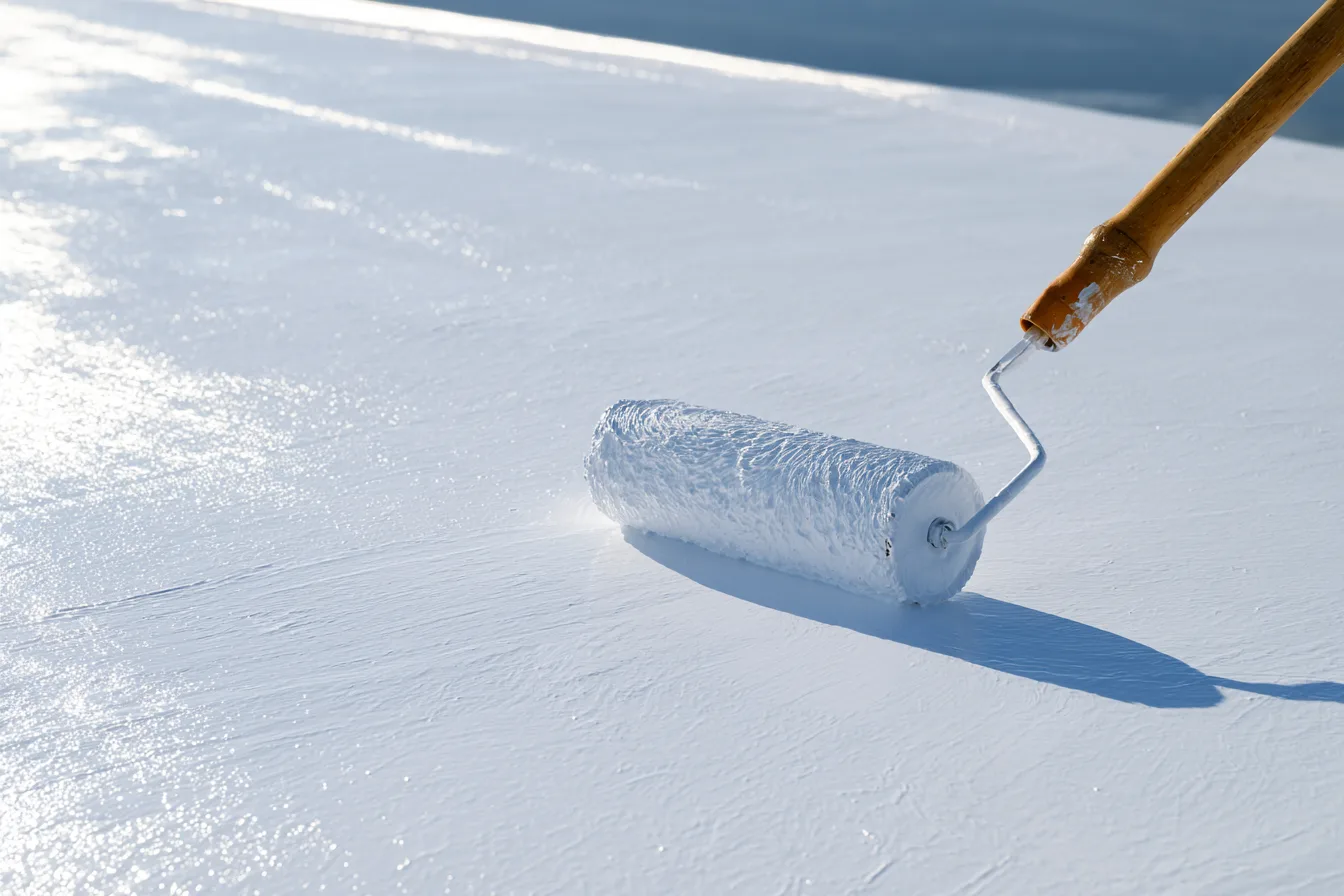
A coating can renew a suitable commercial roof after repairs and preparation. Our roofers check the existing covering, moisture and compatibility before recommending restoration.
Low slope restoration
A coating needs a sound, compatible surface and an assembly suitable for restoration. It does not dry wet insulation or repair a failed deck.
Localized wet or damaged sections may be removed and repaired before a larger sound roof is coated. Extensive deterioration can make replacement the better option. The inspection and any further investigation define that distinction.
Where the system fits, restoration can retain useful material and reduce removal work. The schedule still needs to account for preparation, curing, weather and the building’s operations.
Most of the hours on a coating project go into preparation. Owners who have only been quoted a price per square foot are often surprised by that ordering, so here is where the labor actually lands.
The roofer checks condition and identifies any moisture investigation needed. Agree on test openings or other assessment before they are made, and include repairs to wet or damaged material in the scope.
The substrate must be prepared using the coating manufacturer’s method. Cleaning, contaminant removal, drying and adhesion testing establish whether the system will bond as intended.
Open seams, backed out fasteners and split laps get repaired individually before any coating goes down. On a single ply roof this is often the single largest labor item, and it is the part a walk from the parking lot never reveals.
Curbs, penetrations, drains and seams receive the reinforcement or detailing required by the selected system. Products and methods vary, so the specification should name them.
Drainage problems need to be addressed with the work. A coating that tolerates ponding does not replace a functioning outlet or the required overflow provisions.
Base coat and top coat go on last, once everything under them is sound. Application is the visible part of the project and the smallest share of the effort. A coating over unrepaired seams is just a repainted problem.
How the work runs
The selected system specifies preparation, application rate, film thickness and curing conditions. Those requirements give the contractor and owner something concrete to check.
Step one
Establish which material can remain and which sections need repair before pricing the coating area. The method of investigation should suit the existing assembly.
Step two
Preparation and adhesion checks follow the product instructions. A test area can help confirm application and bonding before wider work proceeds.
Step three
Application rate and wet-film checks help control coverage during the work. Reinforcement and coat sequence must match the selected system.
Step four
Confirm how final thickness, curing and any warranty inspection will be checked and recorded. A manufacturer visit is not an automatic feature of every coating job.
Some silicone systems tolerate ponding where particular acrylic systems require positive drainage. Compare the actual product approval, substrate and preparation requirements. Neither chemistry is a substitute for repairing blocked or inadequate drainage.
Elastomeric coating on a flat roof in Oklahoma is common for one reason: the material stays flexible while the roof expands and contracts through the seasons. Roof surfaces here move a great deal between a July afternoon and a January night, and a rigid film cracks at the details first. Which elastomeric system fits depends on the existing membrane, and a local roofer specifies from the manufacturer's approved assembly instead of from preference.
Ponding narrows the options without closing them. Some coating chemistries are approved for standing water and some void their own warranty over it, so the ponding areas get identified during the survey and priced as their own line. Where water sits because a drain is undersized or blocked, the drainage gets corrected first. Coating over a drainage defect preserves the defect.
Sun and weather affect the coating over time, and dirt can reduce reflectivity. Review the product’s maintenance requirements and condition during inspections. A fixed lifespan should not be inferred from the word reflective.
Coating systems are designed to be renewed. A recoat is normally a wash and a fresh top coat rather than a full restoration, provided the system underneath has been maintained and inspected. Recoat intervals come from the manufacturer's program for the specific product, and often the warranty itself sets the schedule and the inspection requirements. Ask for that schedule in writing at the time of the original bid, because budgeting for it later is a much worse conversation.
Norman Peak Roofing
Our roofers assess the condition and explain the options. If a coating is suitable, the scope includes the repairs and preparation that make it useful. If the assembly needs replacement, that belongs in the comparison.
(405) 253-0996