Step one
Prepare the work area
Delivery, debris handling and protection around the house are planned before removal. The roofer explains where vehicles need to move and which parts of the yard need to stay clear.
Norman, OK
A replacement opens the roof down to the deck, gives damaged wood a chance to be repaired and puts the new covering on a sound base. Our roofers explain the work and material options before the job begins.
Tear-off beats overlay
The old shingles come off so the deck can be checked and repaired where needed. Sound wood can stay. Underlayment, roof edges, flashing and the covering are planned as one roof assembly.
Norman’s current roofing handout does not allow another layer of asphalt shingles over an existing asphalt-shingle covering. Removal also lets the roofer see damage a new layer would conceal.
The proposal should say how the existing materials will be removed and how each part of the roof will be handled. A product name and one total do not explain the full job.
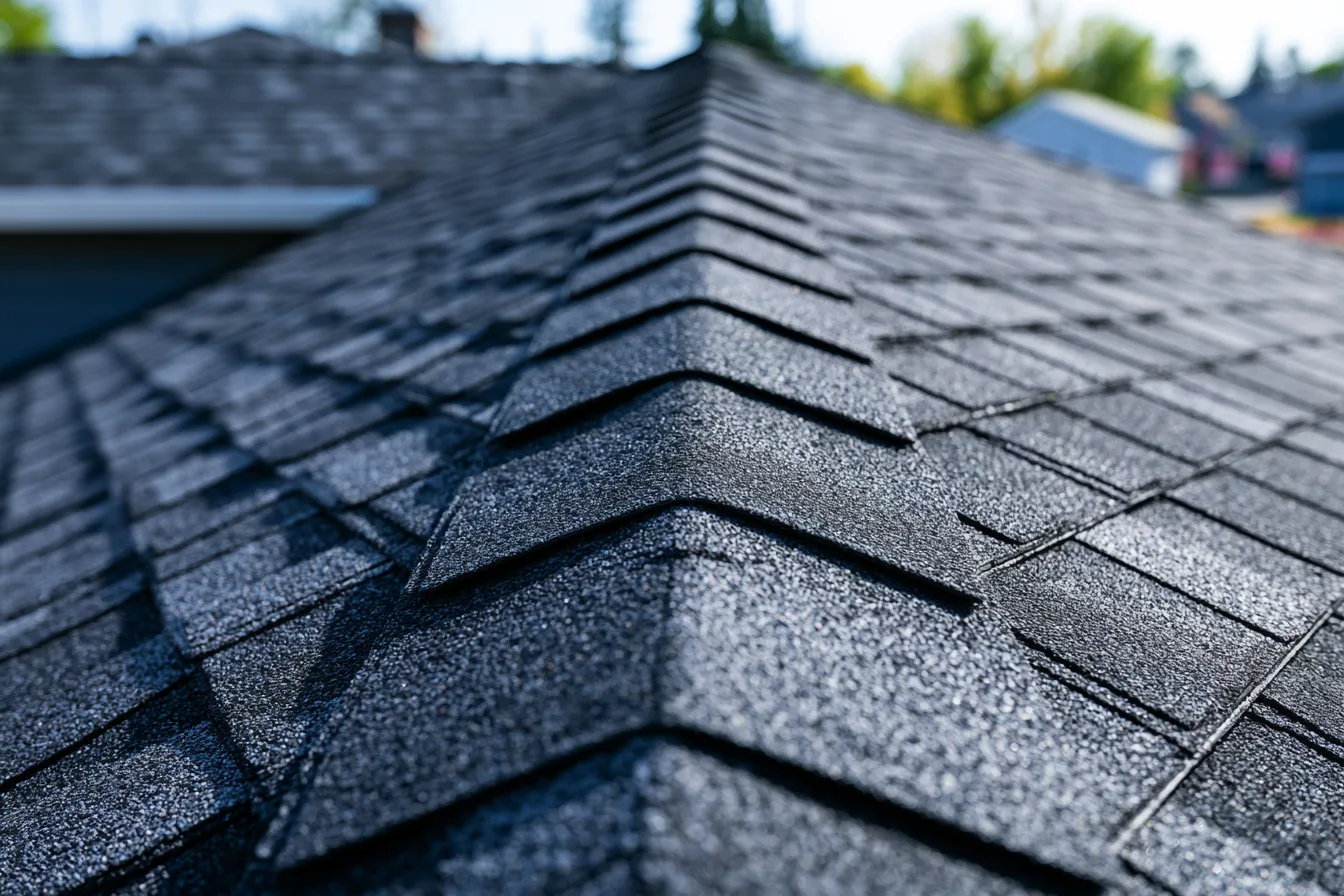
A replacement quote should name every one of these. If a line is missing from the estimate, it is worth asking whether it is also missing from the job.
The exposed deck gets checked for damaged sheets or boards and suitable fastening. The proposal should state how additional wood replacement is measured and priced.
Fresh underlayment goes down over every plane, with membrane at the valleys and around penetrations where the details call for it. Old felt is never reused. Underlayment is also what keeps the house dry between tear-off and the last shingle.
Metal at the eaves and rakes, then a starter strip with its own sealant line, is what stops wind from getting a finger under the first row. Both are inexpensive to include and expensive to leave out.
The field is the visible part and the part most people price. Nail pattern, nail length and hand-sealing on the steep planes decide how the roof holds up more than the brand name on the wrapper.
The scope should identify which flashing is being replaced and how any retained detail will connect to the new covering. Pipe boots and other fittings need compatible, sound transitions.
Ridge cap, hip cap and the vents that run with them close the system off. Intake at the eaves has to match exhaust at the ridge, or the attic runs hot no matter how new the shingles above it are.
Print the estimate and read it against these six lines. A missing line is a fair question to ask before you sign, and the answer tells you what you are buying.
Access, removal, deck repairs and dry-in have to fit together. Discuss the work area and weather plan with the roofer before the start date.
Step one
Delivery, debris handling and protection around the house are planned before removal. The roofer explains where vehicles need to move and which parts of the yard need to stay clear.
Step two
The covering comes off in a sequence that gives the crew access to the deck and controls debris. Existing layers and roof access affect the work.
Step three
If damaged decking is uncovered, the roofer explains the added work through the agreed change process. A per-sheet or other stated pricing basis keeps that decision understandable.
Step four
The roofer plans protection for the exposed roof, installs the covering and closes the details. Debris removal and a final cleanup belong in the scope, along with arrangements for weather interruptions.
The extent of deterioration matters more than the count of earlier repairs. These conditions help the roofer judge whether a larger repair leaves enough sound roof around it.
A repair may solve one opening while brittle or damaged shingles remain across other slopes.
If nearby shingles break when lifted, the workable repair area can be larger than the original failure.
Loss of protective granules leaves the shingle exposed to weathering. The extent matters, not one patch by itself.
Sagging or damaged wood needs its own assessment. A new covering alone does not correct an unsound base.
Separate leaks can still be repairable, but their combined scope should be weighed against replacement.
Roof age is useful background, not a deadline. The roof age guide explains how to establish the installation history without treating the house’s age as the roof’s age.
What moves the price
The roof cost calculator uses published Oklahoma regional rates to help you plan. The written quote then accounts for the measured roof, material, removal, access and any damaged decking.
Get the replacement measuredSquares and pitch: how much area has to be covered, and how steep it is to walk and stage.
Layers: how many old coverings have to come off, and how much of the roof leaves in the dumpster.
Access: driveway room, a second story, tree cover, and how far material has to travel to reach the roof.
A previous repair or an older deck can affect what is needed before the new covering goes on. The roofer checks the actual material and condition.
The base must provide suitable support and fastening for the selected shingle.
An addition, removed chimney or patched opening can create details that need to be addressed during the replacement.
The agreed scope should describe how discoveries are shown, approved and priced.
The schedule has two parts: the wait for materials and a suitable start, then the work on the roof. Roof size, pitch, access, weather and any deck repairs determine the working time. The roofer explains the expected duration and how the roof will be protected while work is underway.
Removal and cleanup belong in the roofing scope. Debris handling, protection around the house and a final check for nails should be agreed before work starts. A magnet sweep helps collect loose metal, but nails can remain hidden in grass or beds; keep children and pets away from the work area until it has been checked.
Manufacturer coverage addresses the product under its terms; workmanship coverage addresses the installation under the contractor’s terms. They can have different exclusions, durations and claim procedures. The roof warranty guide explains the distinction before you compare the offered coverage.
Norman’s current roofing handout allows only one asphalt-shingle layer. The existing asphalt covering comes off before another is installed; the roof must also meet the rules that apply to the work.
Norman Peak Roofing
Our roofers inspect the existing roof, explain the work and help you compare materials. Start with a free inspection, whether replacement is already on your mind or you still want to know if a repair will do.
(405) 253-0996