Norman, OK
Asphalt Shingle Roofing in Norman, OK
An asphalt roof is more than the shingle on the sample board. The deck, underlayment, fastening and flashing affect how the covering performs. Our roofers explain those choices alongside the product.
The default covering
Asphalt shingle roofing in Norman, OK is still the default covering
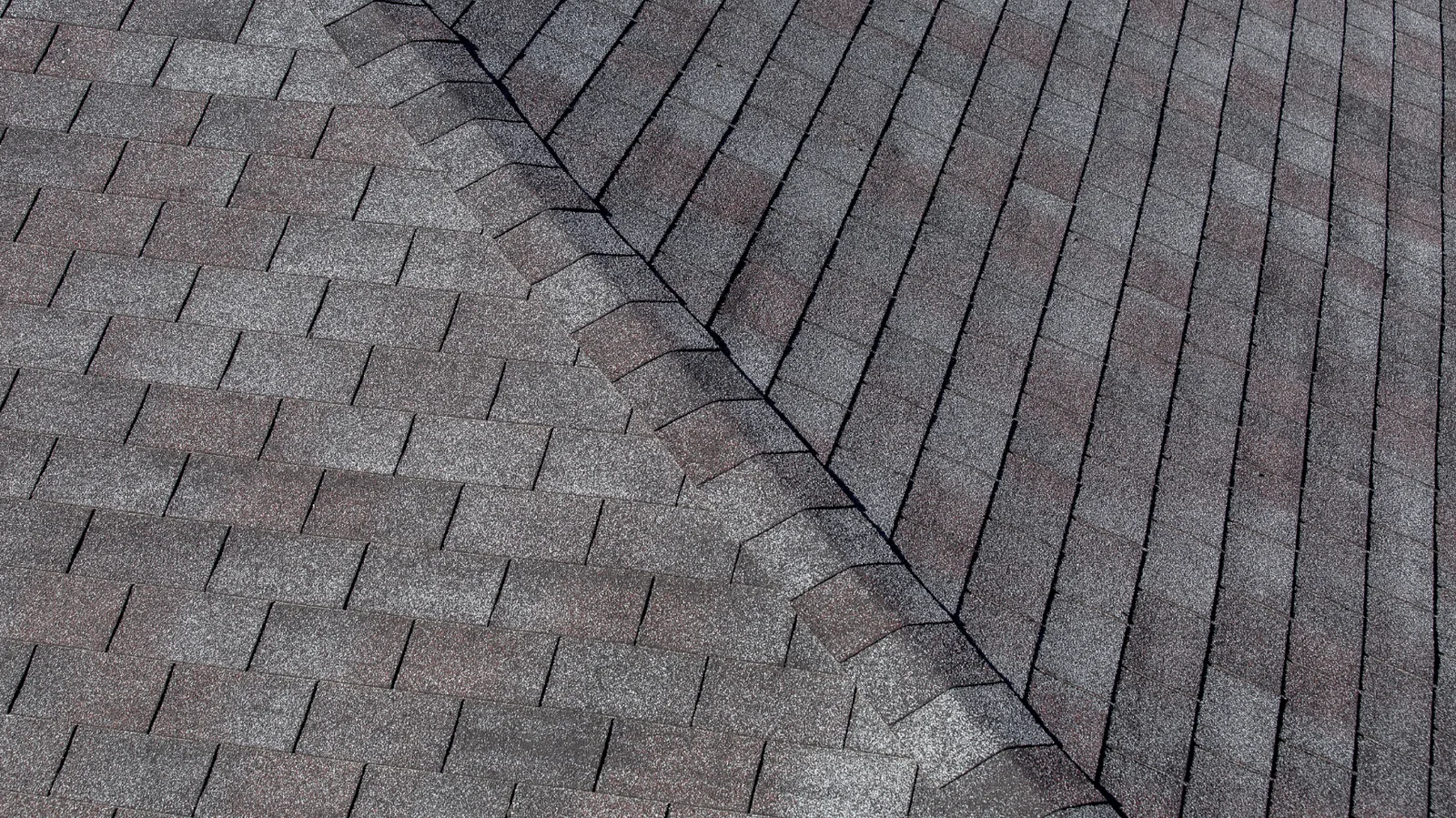
Asphalt shingles combine a reinforcing mat, asphalt and a protective granule surface. Different grades change the appearance and product characteristics, while the installation has to suit the roof itself.
What that sameness hides is that the product name on a bid isn't the roof. The shingle is one layer out of six or so, and the rest are decisions somebody makes on your deck: what goes down for underlayment, where the starter runs, how the valleys get built, how hard the nail gun is set. That's why two bids can print the identical shingle and describe two different roofs.
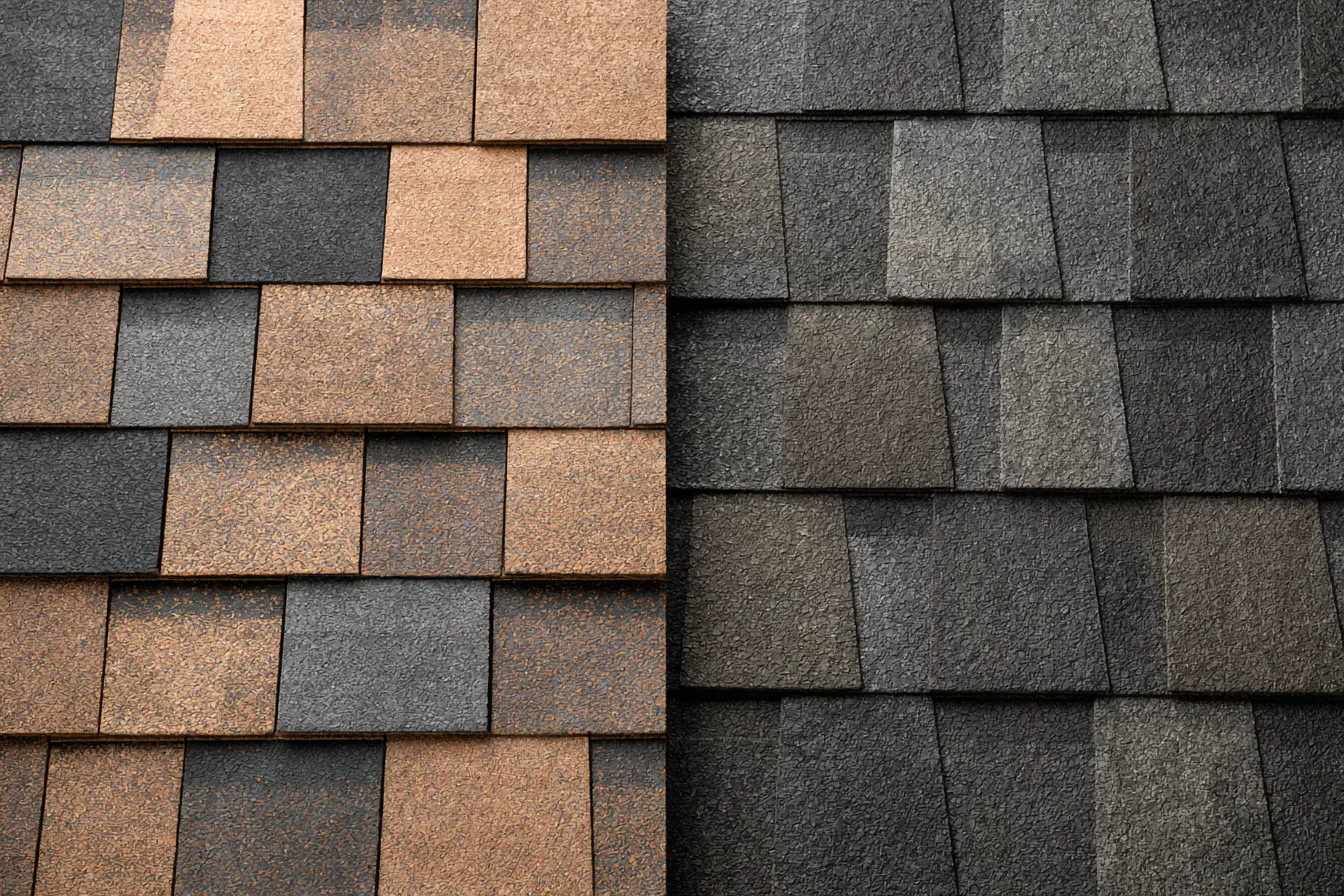
So you've really got two questions in front of you, and one doesn't answer the other. Which shingle goes on is about grade, weight and color, and that one gets settled over on shingle grades and colors. How it goes on is what this page is for, because it's the half that never shows up on a sample board.
Deck first, then underlayment, starter and field on Norman roofs
A shingle roof installation runs bottom up, and every layer gets buried by the one that goes on after it. Deck inspection sits first on this list on purpose: it's the single step that can move the number after work has already started, so it's the one worth understanding before you sign.
- Deck inspection, before any new material goes down
Strip the old covering and the sheathing is visible for the first time in decades. A local roofer walks it and replaces whatever is soft, delaminated, or split around old fastener holes. Nothing above the deck holds if the deck doesn't. Because it's found mid-job instead of priced from the driveway, ask each bidder how replaced decking gets charged and who decides a board is bad.
- Drip edge at the eaves and up the rakes
The edge detail needs to direct runoff away from the deck and into the drainage path. The scope should describe the product and how it meets the applicable installation requirements.
- Underlayment across the whole field
Underlayment is installed to the product instructions and applicable rules, including the treatment required at valleys and pitch changes. The slope affects the assembly, so the covering choice and underlayment belong together.
- Starter course along the eaves and the rakes
The starter detail must suit the selected shingle and its wind-resistance requirements. Ask which product or approved method is included at the eaves and rakes.
- Field shingles, fastened to a stated pattern
Nail location, number, length and seating must follow the product instructions for the application. Overdriven fasteners or fastening outside the intended zone can weaken attachment.
- Valleys, penetrations and the vent path
Valleys carry more water than anything else on the roof, and pipe boots, step flashing and counter flashing at walls are where tired roofs usually give up. Valleys get built by a named method and flashings get replaced rather than reused, and ridge exhaust only counts if there's soffit intake open to feed it.
Ask how the work and product choices will be recorded in the proposal, including any warranty coverage offered for the material and installation.
What shingle wear can change
Granules protect the shingle surface. Exposed mat, cracking and brittle material can limit the area that will take a sound repair. The extent of the condition matters more than one visible spot.
Bare mat showing through the granules: dark, flat patches with no texture, usually starting on whichever slope takes the afternoon sun. Where the mat's exposed the UV protection is simply gone, and the patch spreads outward instead of staying put.
Granules piling up at the downspouts: a handful after a new roof is normal shedding. A gritty line in the gutter after every rain, or a pile at the splash block that keeps coming back, means the surface is going faster than the shingle can spare it.
Curling and clawing at the edges: corners that lift and edges that turn up are a shingle that's dried out and shrunk. Curled edges catch wind, and once one course lifts, the fasteners in the course above it start working loose.
Cracks and splits across the tab: a split running through the shingle instead of along a seam says the mat has lost its flexibility. Brittle shingles break underfoot, which also limits how much can be repaired without pulling the courses around it.
Missing tabs and exposed fasteners: where whole tabs are gone, the underlayment's doing work it was never meant to do alone. Nail heads you can see from the ground usually mean fasteners have backed out or were set above the nailing zone.
Soft, granule-free bruises from hail: hail bruising reads as round dark spots that feel soft under a thumb, without the crack that older damage shows. Given the county's hail record it's worth photographing when you spot it, because it's a covering-life question as much as a claim question.
Tell us what you have already noticed from the ground. The roofer checks the surface closely and determines whether the issue is isolated or widespread.
What moves the number
Compare the installation scope with the product
The lowest initial price can describe less work underneath the same shingle. Compare removal, decking, underlayment and flashing as well as the covering.
The roof cost calculator gives published regional planning ranges. The actual quote accounts for the measured roof, selected product and work required.
Get an itemized shingle quoteHow much has to come off: layers of old covering, the number of planes and pitches, and how hard the roof is to reach and stage.
What the deck turns out to be: sound sheathing stays, soft sheathing gets replaced, and which one you've got isn't known until the tear-off.
Grade and install together: the shingle sets what the roof can survive, and the fastening and flashing decide whether it ever gets the chance.
Same shingle, two installs, and what changes on Norman roofs
How much does nail placement actually matter?
Nail location, number and seating affect how the shingle is held. The installer must follow the product’s requirements for the roof and wind application. Ask how those details are specified, rather than assuming every shingle uses the same pattern.
Does the starter course really change anything?
Yes. The starter detail helps secure the first courses at the roof edges. The selected shingle’s instructions determine the product or approved method and where it belongs.
What should I ask about the valleys?
Ask which method is quoted, out loud, because valleys move more water than anything else up there. An open metal valley runs a metal channel down the middle. A closed-cut valley carries shingles from one plane across and cuts the other side into them. A woven valley laces both planes together. Each one works when it's built right and each one fails in its own way when it isn't, so ask how the underlayment runs underneath it while you're at it.
Why does ventilation keep coming up in a shingle quote?
Because it's the half of the job that's easiest to leave alone, and it changes how the covering ages from underneath. Ridge exhaust can only move air if intake at the soffits is open to feed it, and mixing exhaust types on one roof lets a vent pull air from another vent instead of from the eaves. Trapped heat and moisture work on the shingle from the deck side, where you'll never see the wear. Ask whether intake got counted, not just whether a ridge vent is on the bid.
Can new shingles go over the old ones?
Norman’s current roofing handout does not allow another asphalt-shingle layer over existing asphalt shingles. Removing the covering also lets the roofer check the deck before the new work goes on.
How long does an asphalt roof replacement in Norman take?
Roof size, pitch, access, deck repairs and weather affect the schedule. Ask the roofer about material lead time and on-roof work separately, along with the plan for keeping the house protected during the job.
Does an impact rating change anything on a Norman roof?
It's worth knowing what the rating is and what it isn't. UL 2218's top impact class is a laboratory result: a steel ball dropped on a shingle from a set height. It says the mat and surface took a defined hit without fracturing. It isn't hail coverage, and there's no sourced figure saying a shingle carrying that rating lasts a set amount longer in a hail belt. Treat it as one durability data point alongside fastening, flashing and ventilation. It replaces none of them.
Norman Peak Roofing
Choose the shingle and the work together
Our roofers inspect the existing roof and explain the installation scope. Start with the condition question or the product choice you want to understand.
(405) 253-0996