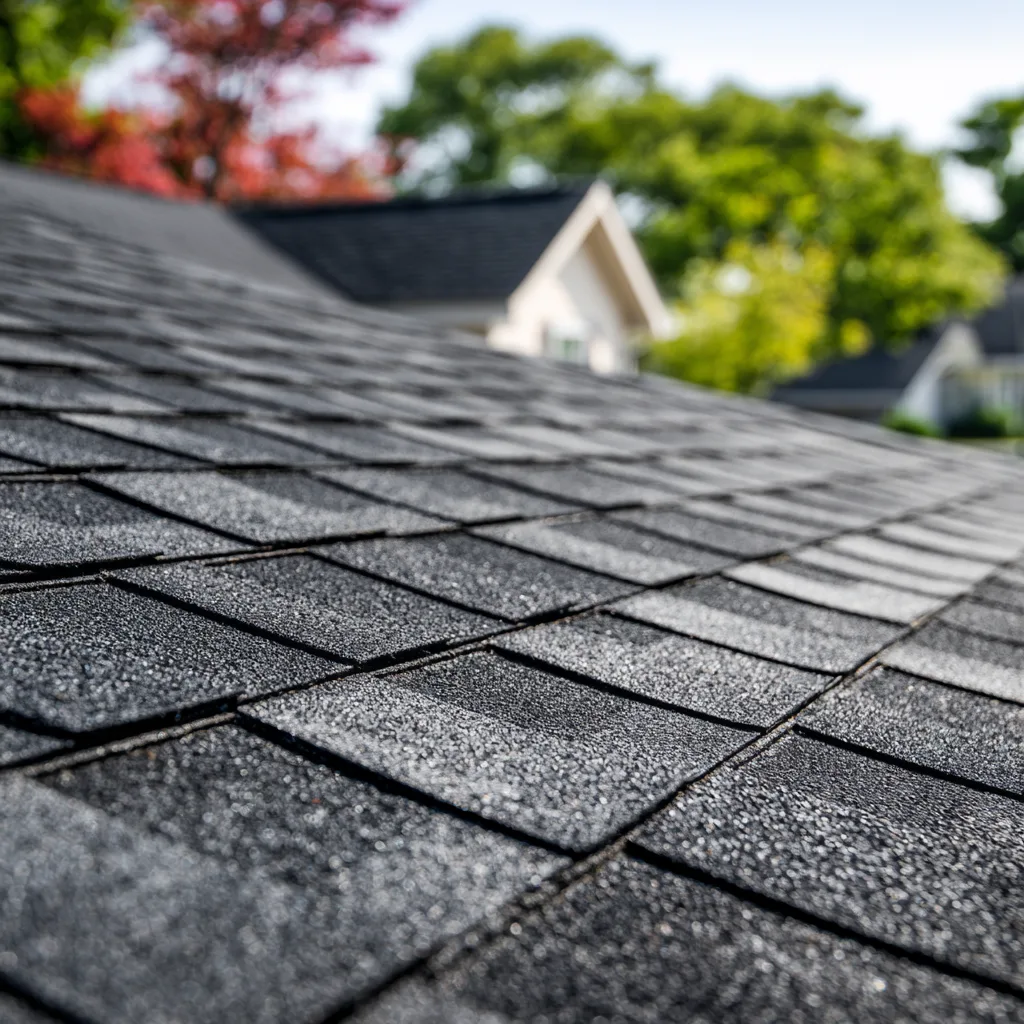
3-tab shingles
A flat strip cut into tabs gives a regular, uniform pattern. Check the specific product’s availability, wind terms and impact classification rather than assuming a rating from the style.
Norman, OK
Shingle choices involve appearance, product construction, impact performance and price. Compare the exact products and the installation scope before deciding what goes on your Norman roof.
Where to start
Color is an understandable starting point: the roof covers a large part of what you see from the street. The next step is to compare the actual product specifications rather than assume every architectural shingle performs the same.
Impact classification, wind coverage, available colors and installation requirements vary by product. A designer profile is an appearance choice, not an automatic impact rating.
Ask our roofers to price the products you are considering against the same roof scope. That makes the upgrade cost and the differences easier to judge.
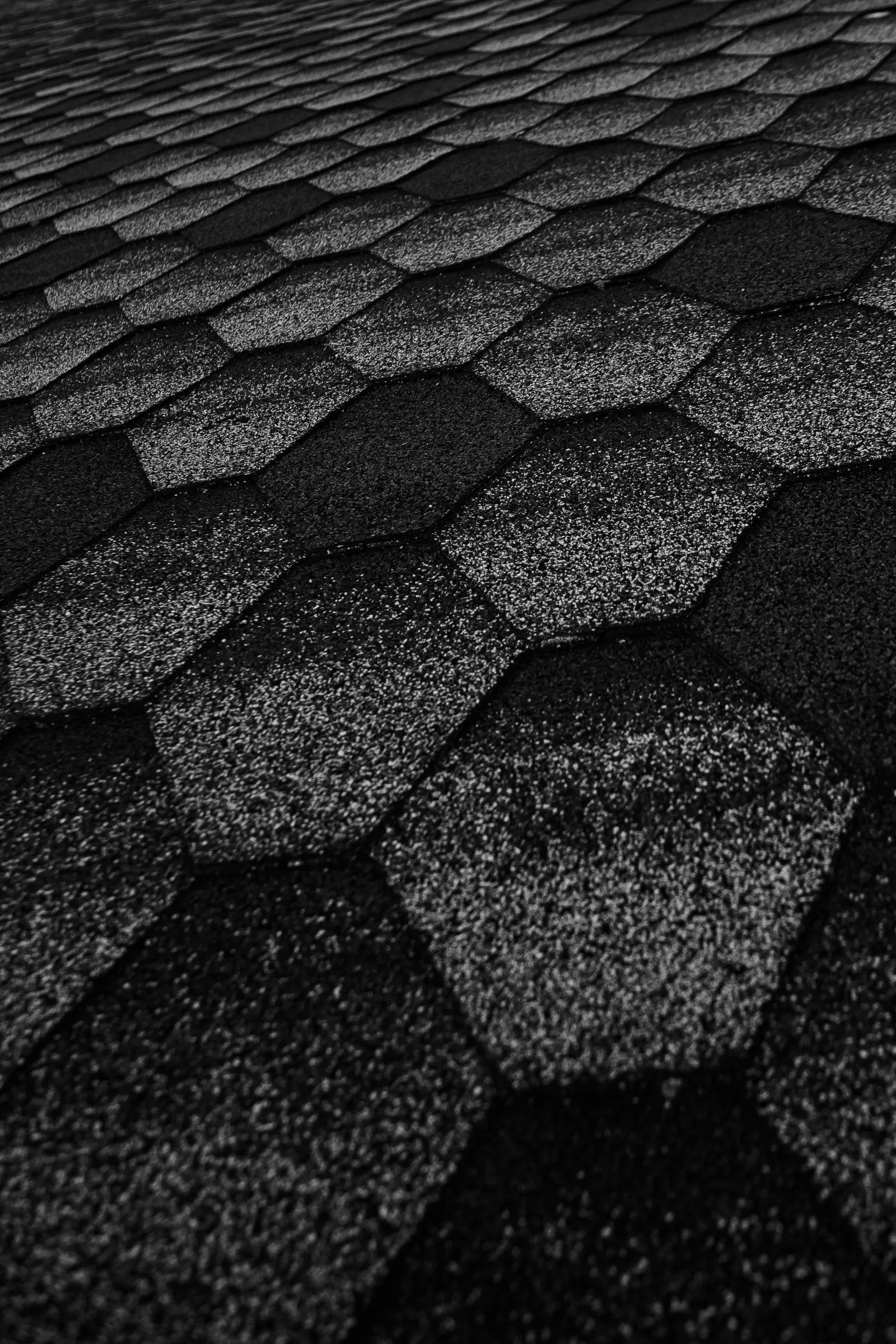
These categories describe common appearances and constructions. Product weight, layer arrangement and performance ratings vary within them.
A flat strip cut into tabs gives a regular, uniform pattern. Check the specific product’s availability, wind terms and impact classification rather than assuming a rating from the style.
Laminated construction creates a dimensional profile and varied shadow lines. Standard and impact-rated products are available, with specifications that differ by line.
Designer profiles can imitate the appearance of slate or shake. Compare the weight, installation requirements and exact performance ratings alongside the look you prefer.
UL 2218 classifies impact resistance using a steel-ball test. Class 4 is its highest class. A laboratory classification does not make a shingle hail-proof, and products sharing a class can perform differently in other tests. The IBHS impact ratings provide another product-level comparison using laboratory hail impacts.
| Rating detail | What it tells you | What to check |
|---|---|---|
| UL 2218 Class 1 or 2 | Performance at the specified lower test levels. | Confirm the actual classification; an unrated product should not be assumed to meet either class. |
| UL 2218 Class 3 | Performance at the Class 3 test level. | Compare the exact product with alternatives and any insurer requirements. |
| UL 2218 Class 4 | The highest class in this steel-ball impact test. | Compare the added cost, warranty exclusions and eligibility for any insurer credit. |
| IBHS impact rating | A separate comparison of asphalt-shingle damage in laboratory hail testing. | Look up the current product rating rather than treating it as the same scale as UL 2218. |
Granule loss, curling, missing pieces and creases can have different causes. These signs identify a reason for inspection; they do not establish hail damage by themselves.
Granules in the downspouts: Coarse black sand collects at the bottom of the downspout and on the splash block. Shedding right after installation is normal. A fresh pile after a hailstorm, or a steady pile every season on an older roof, means the mat is losing the granules that shield it from sun.
Bald areas expose more of the asphalt beneath the protective granules. Their location and pattern help the roofer investigate wear, runoff concentration, impact or other causes.
Curled or lifted corners: Corners that cup upward or curl back mean the shingle has dried out and lost its flexibility. Curling shows first on the slopes that take the most afternoon sun. Once corners lift, wind has something to grab and the seal below is already compromised.
Creased tabs: A crease runs across a tab like a fold line, left when wind lifted the tab and dropped it back down. The shingle usually looks fine from the street and is broken along that line. Creased tabs are one of the items an adjuster looks for specifically.
Exposed mat or suspected impact marks need close assessment. Describe visible changes from a safe place and leave roof access to the roofer.
Missing or displaced covering can leave vulnerable areas exposed to rain. Report the location and any active leak so the roofer can assess the urgency.
If the change followed a storm, the storm guide explains what to record and how nearby weather reports can help with context.
Use these questions to compare appearance, performance and the condition of the roof you have.
Solar reflectance affects how much sunlight a roof absorbs. Color can matter, but specially formulated granules mean appearance alone does not tell the whole story. Insulation, air sealing and the attic assembly also affect heat reaching the rooms below. The Department of Energy’s cool-roof guide explains the tradeoffs.
It is worth comparing the exact product and added price. Class 4 identifies performance in a particular test, not immunity to hail. Ask your insurer whether that product qualifies for a credit and whether any coverage changes apply before including savings in the decision.
The product, installation, exposure and maintenance all affect service life. A warranty term is not a prediction of how long the roof will remain serviceable. Have the current condition assessed, especially when deciding between another repair and replacement.
Sun does the slow damage. Ultraviolet light and the daily heat cycle drive the volatiles out of the asphalt, the shingle stiffens, and granules let go. Hail does the fast damage, stripping granules in patches and bruising the mat without always tearing anything. Wind finishes off tabs that have already lost their seal. All three run at the same time on a Norman roof, which is why two identical roofs on the same street can age differently.

Norman Peak Roofing
Tell us what you like about the existing roof and what you want to change. Our roofers can discuss suitable products, impact-rated alternatives and how the installation scope affects the price.
(405) 253-0996